

Rembrandt experimented non-stop with print making procedures
It is astonishing how Amsterdam’s most famous historic painters simply do not cease to surprise. It is only recently that the Van Gogh museum announced a discovery of a new discovered painting by Van Gogh, and the legacy of Rembrandt is no less of a treasure trove. A new show in the Rembrandt Museum, ‘Room for Improvement! Rembrandt and the Old Masters’ is a living testimony to this.
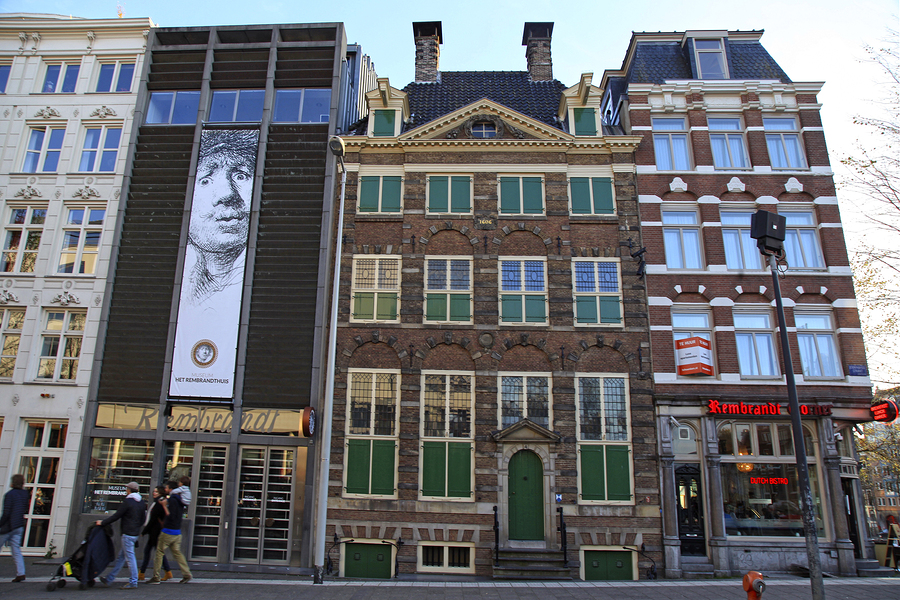
The exhibition, which is located in the new wing of Amsterdam’s Rembrandt House Museum displays more than 120 prints from Rembrandt and other old masters. Many of the works on show demonstrate clearly where Rembrandt drew his inspiration from. He did not only emulate the works of renowned predecessors and contemporaries but would improve on their prints.
Rembrandt created around 300 etchings and drypoints in total, usually in parallel with his paintings although he rarely used the same themes in both media. The improvements he made in the print medium were achieved through trial and error. He was a great experimenter and would frequently handle traditional materials in unconventional ways.
The old master began producing prints early in his career and one of his most famous prints is the depiction of his own rather bohemian looking face. When you land at Schiphol airport for your holiday in Amsterdam, you will no doubt see this print everywhere. Later on in his career, Rembrandt created a few larger prints but soon took to producing smaller prints again. Experts believe that he disliked the larger prints because they were too formal and polished. A great many of his smaller prints are very sketchy, so it figures.
The vast number of prints Rembrandt owned at the time of his bankruptcy were not enough to prevent his financial debacle in 1656. He had around 4,000 prints in his possession at that moment which he mostly used as models to work from, to copy and to emulate. This list included works by European masters such as Annibale Carracci, Peter Paul Rubens and Jacques Callot.
Room for Improvement ends on 19 January 2014, so there’s plenty of time to make your way there yet. The Rembrandt House Museum is opened every day between 10 am and 6 pm.


